

Winning or Losing a Grant Competition: Participants’ Mistakes and Psychologist’s Recommendations
Participating in any grant competition is always a highly emotional experience. What happens when the winners’ list is published and you realize you have either won or lost? We spoke with psychologist and trainer Yelena Amreyeva, who has been participating in the selection processes for the Shakhmardan Yessenov Foundation programs for many years and knows participants’ weak points well. Yelena’s advice is universal for any grant competition. So, how can you properly turn any outcome of a competition into a step forward?
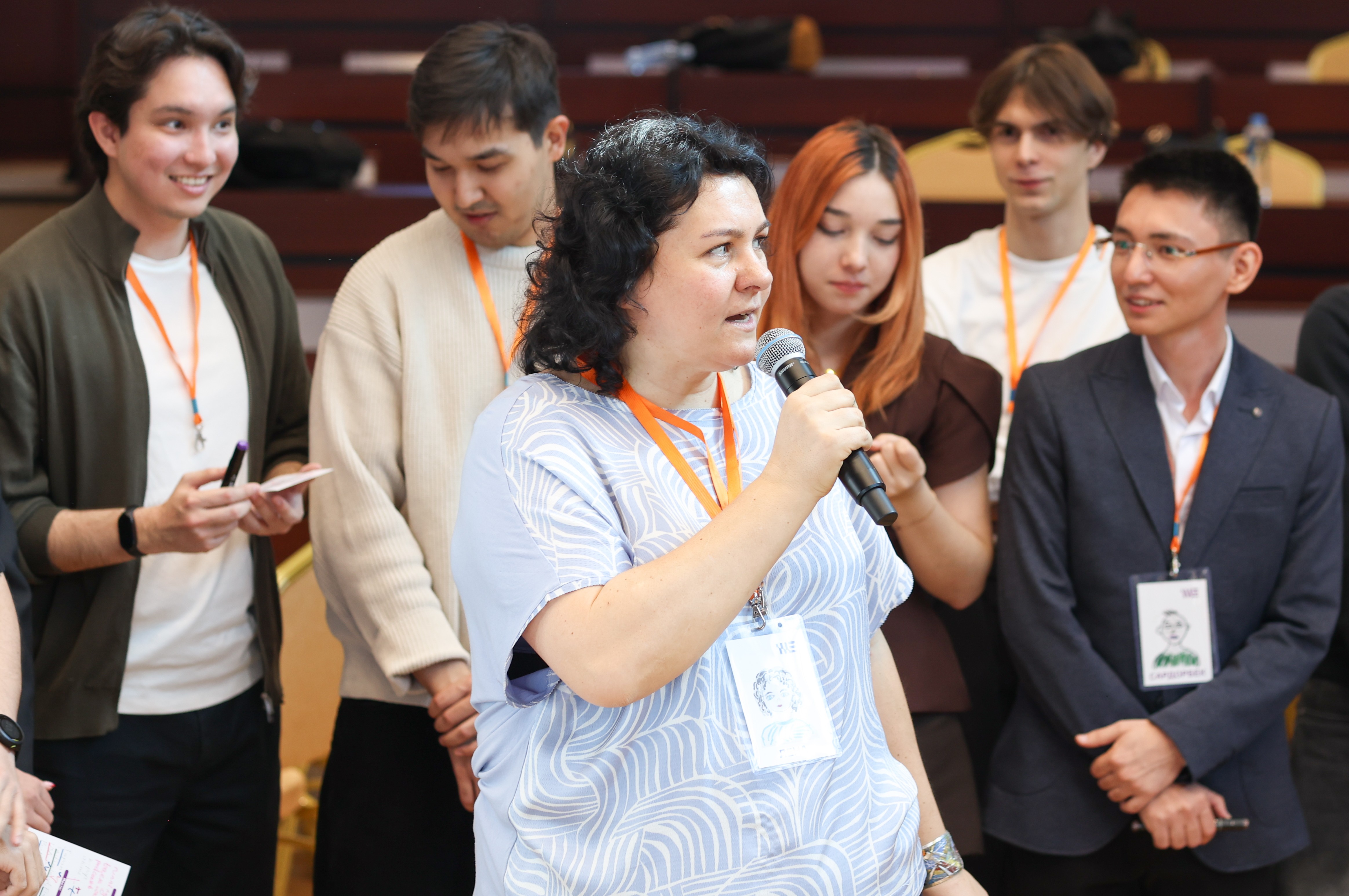 Is it important to talk about stress during a grant competition?
Absolutely. Grant competition participants aged 18-25 and older can experience high levels of stress due to uncertainty, competition, deadlines, and the feeling that their entire future depends on a single application. A study by Australian researchers (2014) revealed that 93% of respondents experienced stress due to the workload involved in preparing grant applications, while 88% reported limiting their personal time during this period. In Kazakhstan, there is little research specifically focused on grant applications. However, existing studies do highlight high stress levels among students. A study conducted at Turan University in Almaty (2023) noted that among young people stress had physiological manifestations, such as an increased heart rate and pain of various localizations, and was also associated with depression and anxiety. Research shows that fear of failure, financial risks, and pressure from family and society increase the emotional burden during the application process and while waiting for the results. So yes, the stress of preparing for and participating in a grant competition is definitely not a myth.
What advice can you give to Kazakhstanis who feel stress during competitions?
To reduce emotional burden and discomfort, start by carefully studying the terms of the competition and the Provisions of the Program you are applying to. Due to today’s massive flow of information, people rarely analyze or process large amounts of information deeply anymore. Program Provisions are a good example. The brain gets used to catching only the core idea without paying attention to the details. However, participating in competitions and programs requires close attention to detail, conscious effort, and careful consideration.
More and more often, we encounter situations where candidates overlook certain details, leading to later disappointment or the realization that they are unable to meet the required conditions. There have been cases where the candidates, having spent a considerable amount of time and effort, declined a grant after winning the competition. Not only did they forfeit the opportunity themselves by securing a winning spot but ultimately not using the grant, but they also deprived another deserving candidate of that chance. At the same time, many winners of our programs often shared that they studied the Program Provisions nearly a year in advance, familiarizing themselves with the terms and preparing specifically for the application process. Such candidates stand out immediately during the final interview. Thorough preparation for submitting documents is key to successfully reaching the final stage.
Another highly relevant issue today is motivation letters and essays. Almost all candidates use AI tools to create them. However, it is important to understand that selection committee members are experts who can easily distinguish an authentic text from an AI-generated one.
There is no ban on using AI, but such an essay will receive a minimal score because it is written in general terms and lacks a genuine personal voice. Amid a flood of boilerplate AI texts full of pretentious, general phrases, any authentic writing that includes specific details and a personal perspective will stand out much more favorably, even if it is no
perfect.
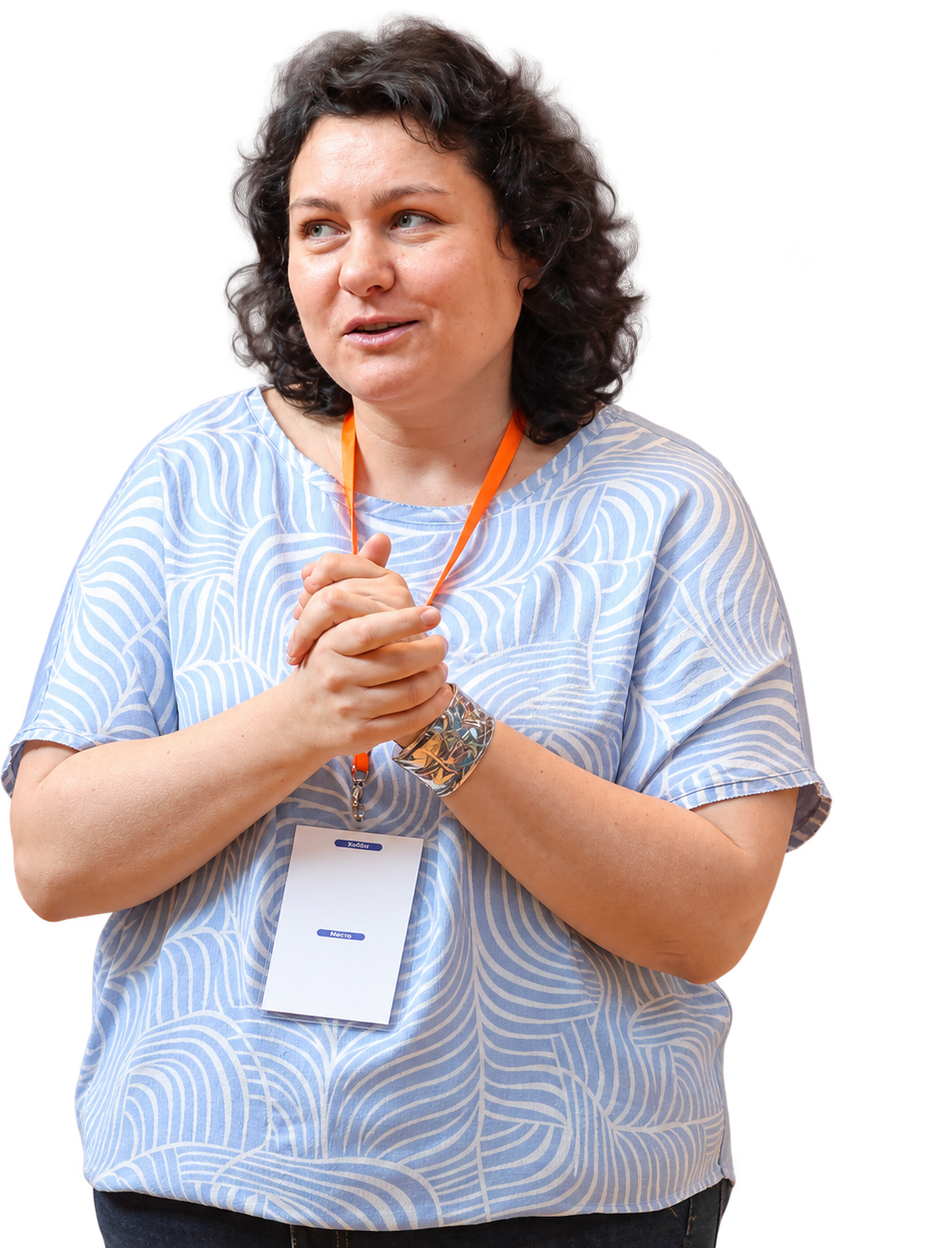
What should you do if you have reached the final stage of the Yessenov Foundation competition?
If you find your name on the list of finalists, the second stage – an interview – awaits you. We strive to make it comfortable and enjoyable for all participants. The main recommendation is to be engaged and feel free. The worst thing a candidate can do for themselves at this stage is to shut down or try to pretend to be someone they are not. Be yourself! Professional psychologists participate in the interviews, and any insincerity is immediately obvious. It works just like a letter written by AI – no one is interested in a candidate wearing a mask. This is especially crucial for our Foundation, as we don’t simply offer the opportunities to participate in our programs. We focus on developing the intellectual potential of Kazakhstani society, where alongside educational and scientific goals, openness, sincerity, and other human qualities are highly esteemed.
Some candidates believe that a winner must be a leader, an extrovert, and show off constant success. That is not true. After all, people with very different personalities and traits achieve great results in science. Read the stories of our previous winners on the Foundation’s website and see for yourself how unique each one of them is. However, it is important to keep in mind that the selection committee members are not obligated to and will not try to draw you out against your will. Showcasing your potential is your task – ours is to recognize it. Organizational preparation is a vital component of a successful interview.
Here are a few recommendations:
– stay connected at all times;
– ensure you have no other commitments during the interview;
– plan your location in advance: ensure it has a stable internet connection, good lighting, proper ventilation, and no background noise.
– avoid difficult or stressful tasks the day before;
– get a good night’s sleep before the interview.
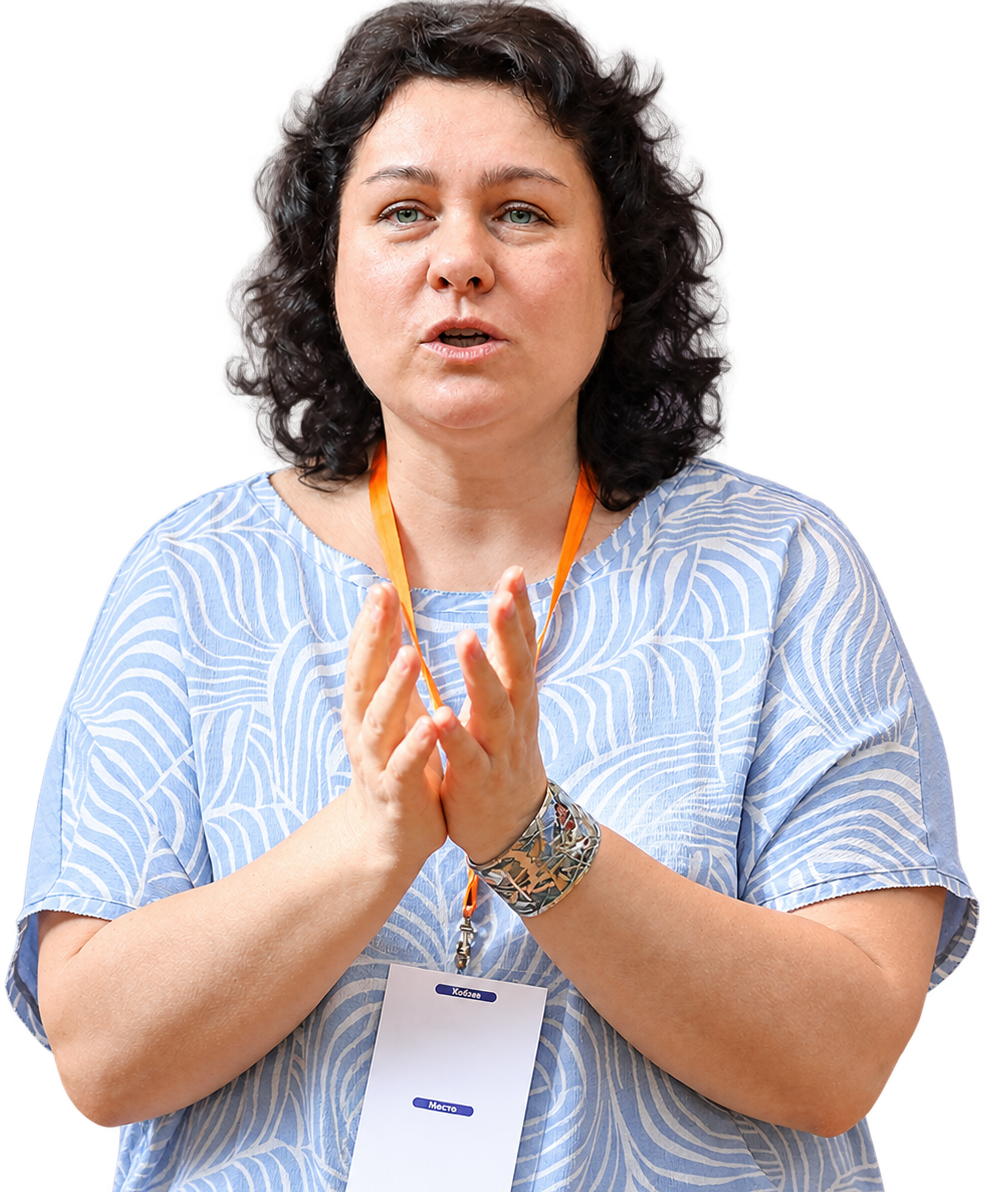
These simple steps will reduce stress, boosting your emotional stability and psychological comfort.
What should you do if you didn’t make it to the final stage?
In competitions like this, there are no winners and losers – there are only those who move forward and those who pause along the way. Which group are you in? If you didn’t reach the final stage, it is vital to turn this outcome to your advantage. Remember, this is all experience, and experience is never useless – you just need to extract the value from it. Therefore, after allowing yourself a brief moment to process the disappointment, return to your application and ask yourself: what went well, and what could have been presented more strongly? Try to improve the situation since one year is plenty of time. Ultimately, you can ask the Foundation for feedback, even though according to the Provisions, it is under no obligation to comment on the results. However, if your email says something like, “I would really like to understand what I am missing so that I can take it into account when applying to similar competitions, and work on it over the next year,” you will get a response.
What is important to understand?
1. A competition is just one of a thousand opportunities. If you weren’t successful here, it doesn’t mean you can never be a winner anywhere.
2. Don’t confuse “I didn’t pass the selection” with “I am not good enough” – they are completely different things. Every fourth winner of our programs did not win the grant on their first attempt. Why? Because they did their “homework” – they took into account what was missing the first time and filled those gaps over the course of the year. Participating in the selection stages gave them a boost for personal development and helped them succeed the next time.
3. Our selection processes are designed so that every participant, regardless of the outcome, becomes a stronger candidate. We can provide development recommendations and feedback upon your request.
It is important to analyze what happened. It is completely normal to feel upset, but it is far more valuable to draw conclusions and move forward.
Answer these 3 questions:
– How else can I achieve my goal? (consider alternative programs, courses, a second attempt next year, etc.);
– What can I do better next time? (it’s crucial not to focus solely on this Foundation – any improvement will make you a stronger candidate in any other competition);
– What will I start working on right now to become more competitive?

If you suddenly realize you no longer want to continue in the competition…
This is a very unpleasant situation, even if the reason is positive – a new opportunity, a happy family event, etc. In any case, it negatively affects your reputation and how you are perceived. To minimize this risk, first and foremost, it is crucial to do what I mentioned in the answer to the second question regarding carefully reading the Program Provisions.
Second, it is of utmost importance to inform the competition organizers immediately. Sometimes, due to fear or indifference, candidates keep their changing circumstances quiet for a long time, making it harder to find constructive solutions. However, this is a part of business culture. If there is a problem, a concern, or a risk, give an early warning. This is the stance of a mature and responsible person, which commands respect and a willingness to help. I recommend following this rule in all situations.
As a final note…
Regardless of whether you win or lose the competition, your life goes on, and how it unfolds is decided not by the expert committee, but by you. Keep trying, challenge yourself, and gain new experience! We are always happy to meet new people! Another invaluable bonus of participating in our competition programs, regardless of the outcome, is the opportunity to meet other competitors, find great like-minded people, and become part of a wonderful community for networking and exchanging ideas, boost your own motivation, and support others.
Programs of the Academician Shakhmardan Yessenov Science and Education Foundation that are currently accepting applications:
1. Yessenov Launch Pad (by 14/10),
2. Yessenov IELTS Pro (by 21/10),
3. Research Internships (by 04/11).
Seen by: 3