



10 More Kazakhstanis to Level Up Their Skills with Yessenov Foundation Grants
The grant competition for the Yessenov Launch Pad (YLP) Program, aimed at developing hard and soft skills, has concluded in Almaty. Experts and Foundation staff selected 10 winners. This year the competition was held for the fifth time and attracted 87 candidates from all over Kazakhstan. We’ll tell you about its final stage and introduce the winners of the competition.
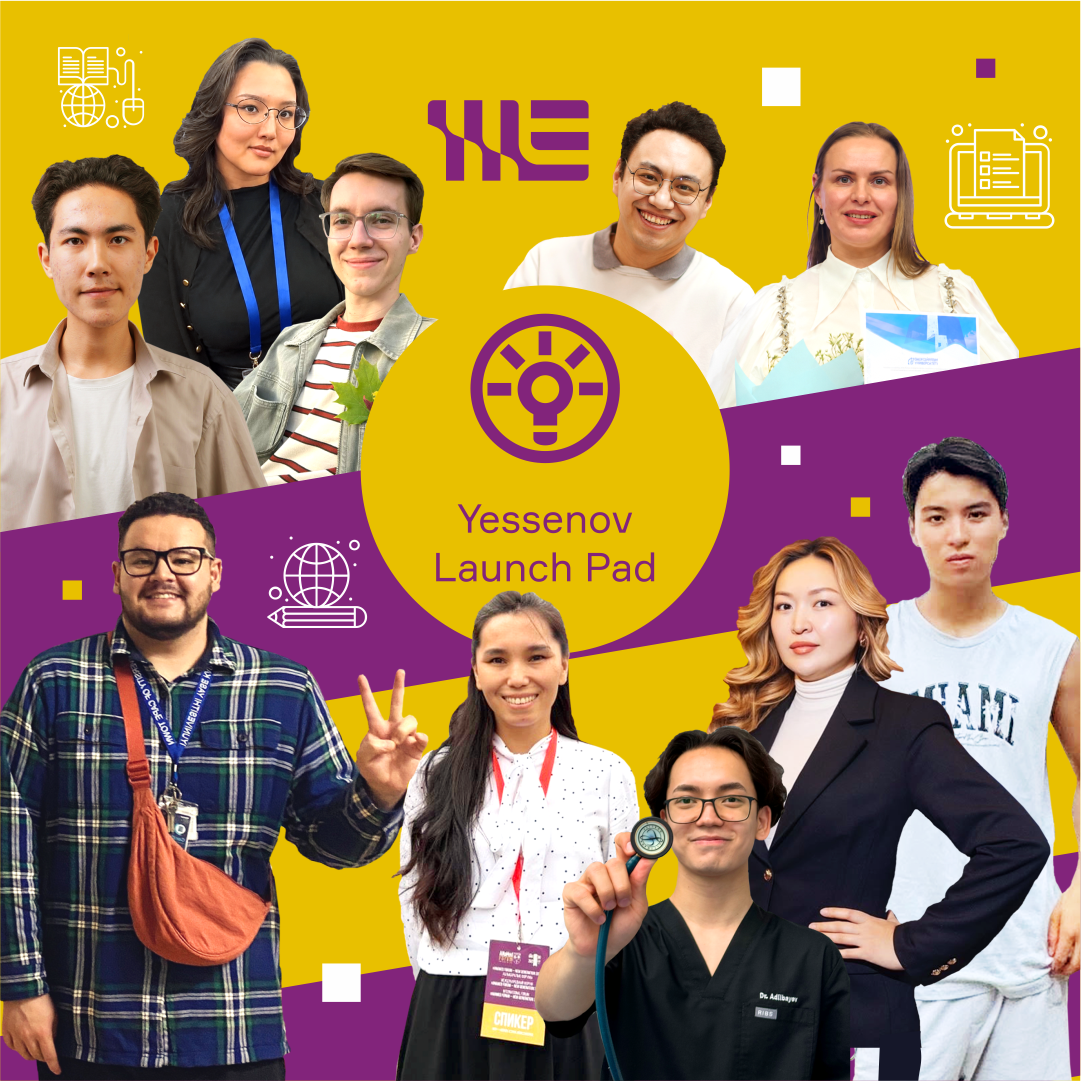 37 applicants took part in the second round of the competition. This year’s Program winners represent Nazarbayev University and the University of Cape Town, the National Center for Neurosurgery and SDU, KazGASA and Al-Farabi Kazakh National University, as well as Kozybayev University and Asfendiyarov Kazakh National Medical University.
“The winners include researchers, specialists, and undergraduate students from various years of study. Four of the winners are women,” says Aigerim Sultan, Program Manager.
Applications for the Yessenov Launch Pad competition were accepted until October 14. The first stage involved selecting candidates’ applications that best matched the Program’s objectives. Then the participants who advanced to the next stage took part in individual and group online interviews. Ultimately, 10 winners were selected to receive grants from the Shakhmardan Yessenov Science and Education Foundation. Each of them will be awarded a grant of 600,000 tenge, which they can use within a year to acquire skills essential for their professional and personal development.
Here is what psychologist and business coach Yelena Amreyeva, who interviewed the competitors, shared.
“During the interviews, we observed their engagement, communication skills, motivation to learn and grow, value system, level of emotional intelligence, self-organization and thinking skills, as well as their understanding of the demands of the modern world,” says Yelena Amreyeva.
There were many participants who took the competition seriously and were well-prepared. However, there was also a record number of participants who failed to show up for their interviews without even bothering to give advance notice. Another defining feature of this year was the highest-ever number of applicants specializing in pathological anatomy. The list of specialities, by the way, has expanded, as well as the geographic diversity of the applicants. It is always nice to see candidates from ‘new’ HEIs not represented in our competitions before. Interestingly, the most popular courses among competitors are those related to artificial intelligence, machine learning, and data analysis, Yelena added.
Meet some of the winners of the YLP 2026 Program. As Zhanas Baimagambet, a researcher working at a laboratory at the University of Cape Town, shared with us, he plans to spend his 600,000-tenge grant to enroll in courses offered by the global platform GlomCon.
“They will help me develop expertise in diagnosing kidney diseases. GlomCon will provide in-depth knowledge of these diseases, literature will give me a solid theoretical foundation, and knowledge in proteomics will help me study the protein composition of tissues and better understand the molecular mechanisms of diseases. I also want to purchase polarized lenses for my work,” shares Zhanas.

Tatyana Shirina will use her grant to pursue additional training in modern instrumental techniques for studying polymeric materials.
“I am interested in mastering scanning electron microscopy and electrochemical methods for evaluating the protective properties of coatings. This knowledge will allow me to conduct in-depth research as part of my doctoral dissertation, which focuses on developing environmentally friendly water-based paints and coatings,” says Tatyana.
“The training will definitely improve the quality of my research and make me more independent in data analysis,” Meruert says. “I am currently clarifying the terms: biostatistics enrollment at my chosen institute opens in April–May, and I have already inquired about the bioinformatics program.”
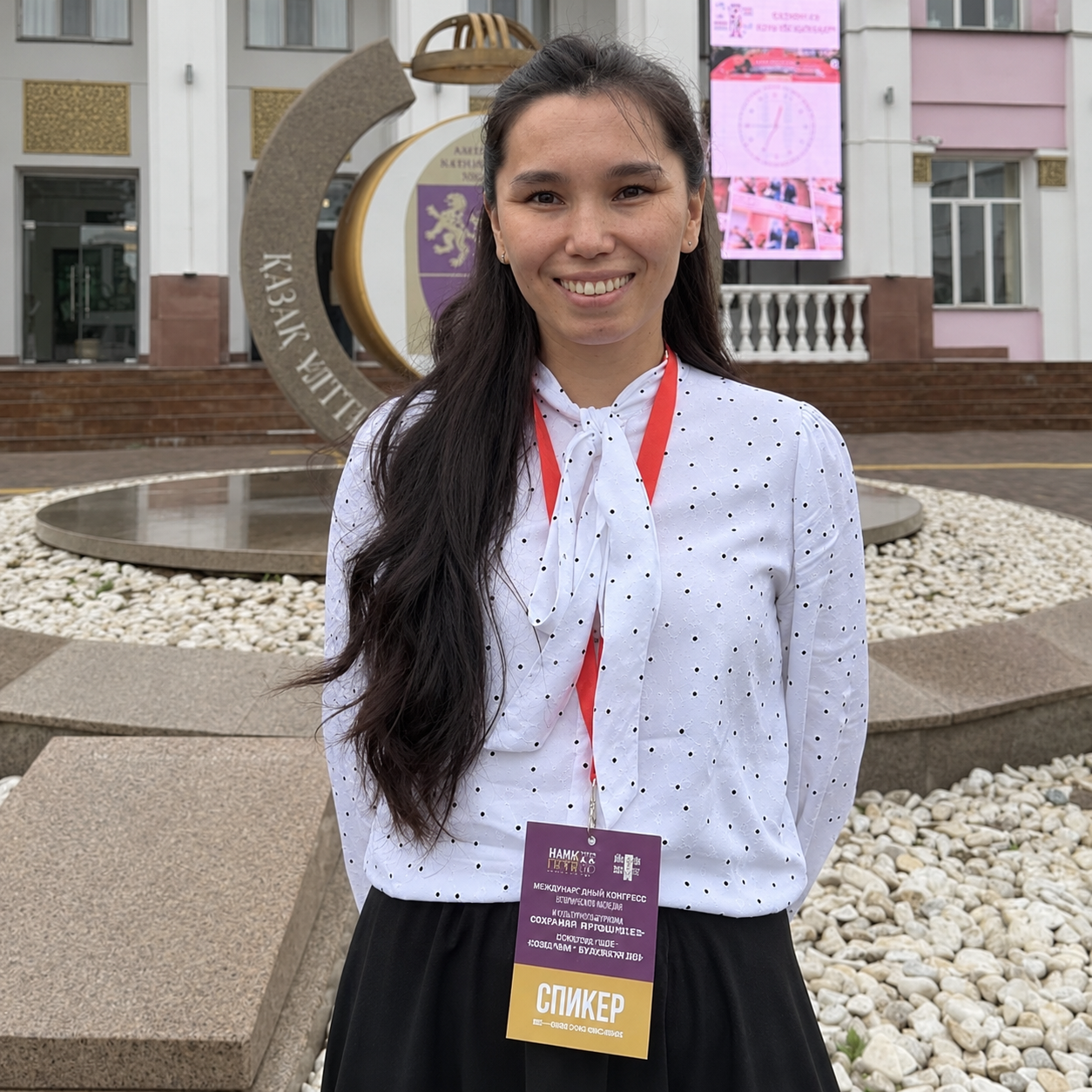
Aruzhan Kanatova, a neurosurgery specialist, has selected courses that are important for her professional development: Clinical Guidelines for Penetrating Traumatic Brain Injury by Global Neuro and a course on stroke offered by Radiopaedia.
Fyodor Pogorov, another winner of the YLP competition, is a fourth-year undergraduate student majoring in pharmaceutical manufacturing technology:
“I will take courses in Python development and the Chinese language. The Python courses will give me programming skills to apply to automating research processes and data processing. Learning Chinese is strategically important, as proficiency in the language has become a major competitive advantage today,” says Fyodor.
Fourth-year mathematics student Bagzhan Zhakypzhan sets his sights on MIT courses in data analytics and statistics.
Nursultan Adildayev, a specialist at the National Centre for Neurosurgery in Astana, will use the funding from the Yessenov Foundation to pay for programming training and master AI technologies. Why? He plans to develop his own project to create an AI-based navigation system for guide catheters used in neurointerventional surgery.
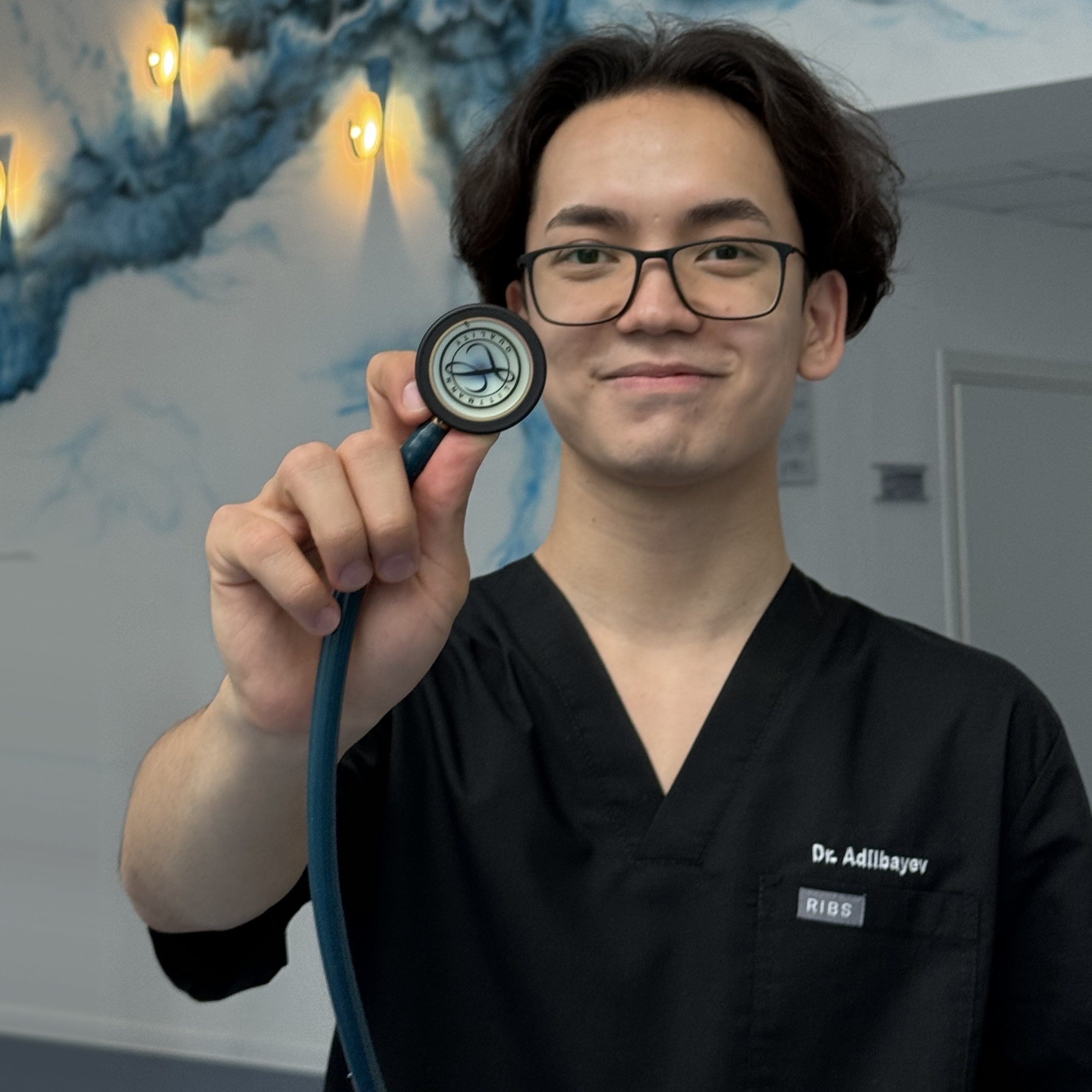
Meanwhile, researcher Indira Tashmukhambetova plans to take the AI Analytics for Everyone course offered by nFactorial School.
“I am a construction materials researcher. I work with experimental data and want to learn how to analyze it more effectively using AI. I will apply the skills I gain to my project on the development of repair materials using industrial waste,” says Indira.
Yeldar Otynshiyev has already been among the winners of the Yessenov Foundation: in 2024, he completed the Yessenov Data Lab Summer School for Data Analysts. The researcher will use his newly won grant to take the Aspherix® and CFDEM®coupling courses offered by DCS Computing.
“I need to deepen my knowledge in CFD-DEM modeling, particularly in studying the interaction between gas flows and solid particles. These are the skills that will allow me to significantly improve the accuracy and reliability of my research. I have already sent a request to DCS Computing regarding the chosen courses,” shares Yeldar.

Adilet Bakhyt, a third-year Nazarbayev University student, entered the Yessenov Launch Pad competition to gain proficiency in professional software such as ANSYS and Siemens STAR-CCM+. They are widely used across engineering industries for modeling, aerodynamic calculations, and structural optimization. Adilet aspires to become an aerodynamics engineer and work for companies such as Red Bull Racing and Airbus. The knowledge he gains will undoubtedly bring him closer to achieving his goal.
Under the terms of their contract with the Foundation, YLP Program winners must use their grants by September 2027.
Seen by: 18