

Research Internship Grant: Not Funding a Trip, but Investing in Outcomes
Murat Kozhanov // Research Internships in World Laboratories
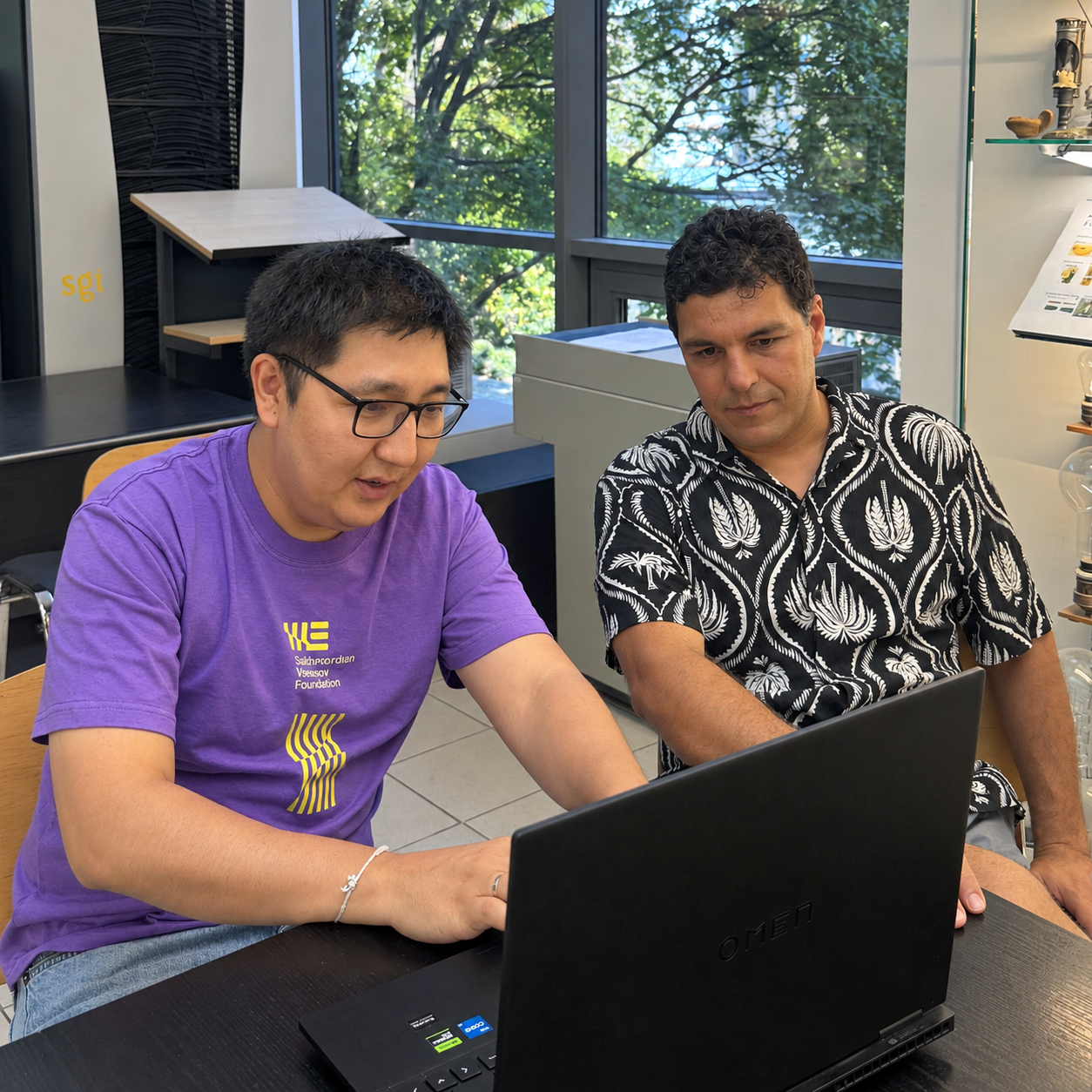 A 34-year-old Karaganda native, Murat Kozhanov is an alumnus of KarSTU and ENU, member of the Presidential Youth Personnel Reserve, lecturer, researcher specializing in AI and digital transformation, author of scientific publications, and startup founder. And that is far from the full picture of his professional background. In 2026, Murat Kozhanov won a grant of the Shakhmardan Yessenov Foundation and completed a research internship at Óbuda University in Budapest. That same year, he became the head of the Institute of Digitalization and Innovation at the Academy of Public Administration under the President of Kazakhstan. What did he research during his internship, what did he develop, and what is the future of this system?
Choosing a major
My trajectory has always been at the intersection of technology and real-world challenges. I was interested not just in building IT systems, but in understanding how technology can transform processes. This interest led me to AI, data analysis, digital transformation, educational technologies, and digital public administration. Today, I focus on turning scientific findings into practical, real-world tools.
The Yessenov Foundation grant competition
The competition was an interesting opportunity to take a fresh look at myself and get an outside perspective. The essay stage was an exercise in self-reflection: I analyzed what I had accomplished, what results I had achieved, and where I wanted to head next. The most memorable part was the group interview conducted as a business simulation game. As participants, we were given cases while psychologists observed how we interacted, made decisions, and argued our positions. It was interesting to encounter different viewpoints – persuading my colleagues at times and changing my own perspective at others. That stage turned out to be very dynamic and valuable.
 Why this specific university in Hungary
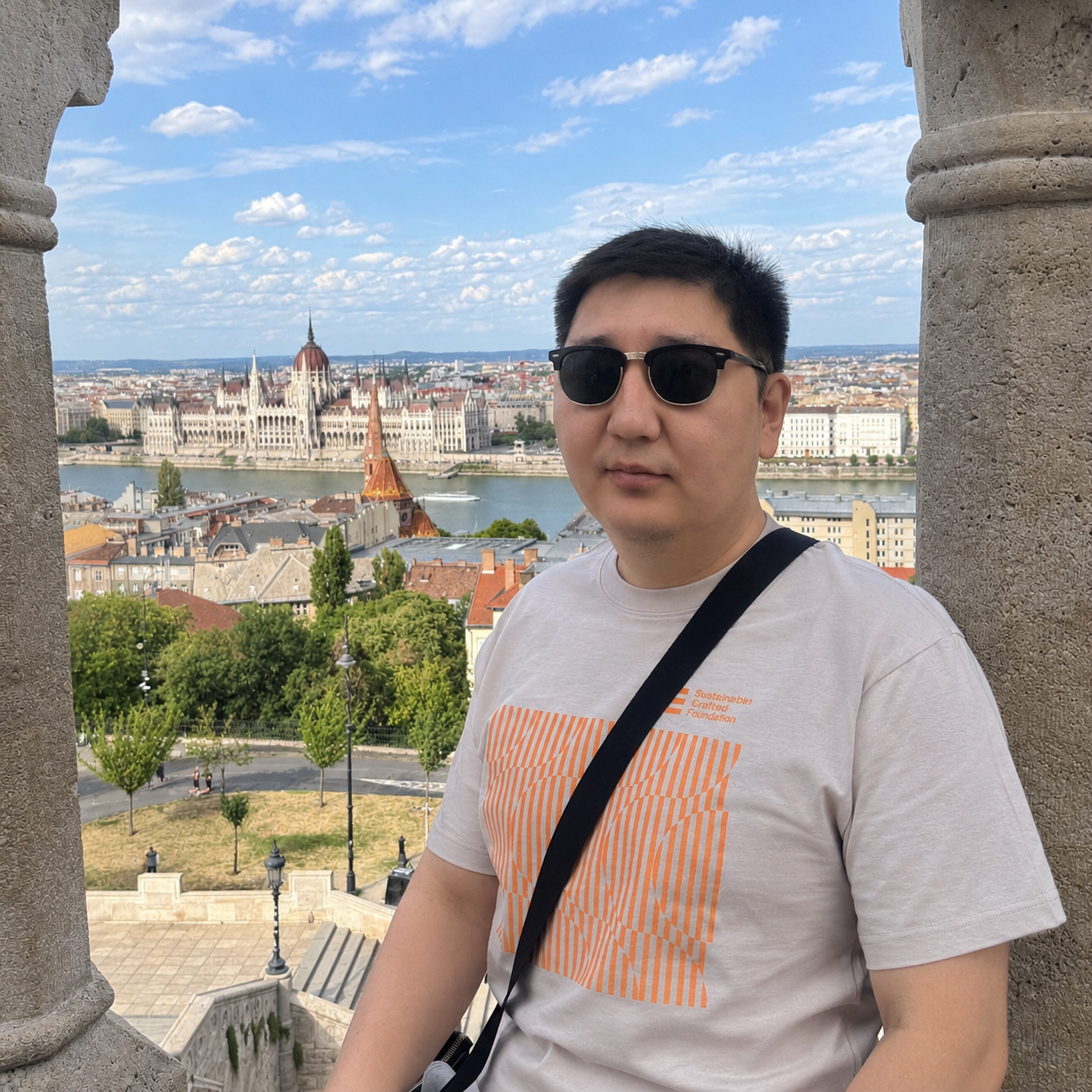
For me, the key factor was neither the geography nor the university’s brand, but the specific scientist I would work with. I went to Óbuda University to work with Amir Mosavi, one of the leading researchers specializing in AI and machine learning. He is listed among the world’s Top 2% Scientists by Stanford/Elsevier, with a scientific portfolio of over 500 publications. For me, this was an opportunity not just to conduct research abroad, but to work alongside a researcher with immense international expertise in my field of interest. We continue our collaboration to this day.
Internship workflow
I joined Mosavi’s research group in Budapest with a specific research objective, which was the key factor in the internship’s success. From the very first day, we were working with data, experimenting with models, designing architecture, and testing how AI, accumulated expert insights, and formal academic requirements could operate in a unified system. I would describe the work atmosphere within the group in three words: professional, open, and results-oriented.
The Outcomes
The main outcome of the internship was that the idea has evolved into a full-fledged, operational system called Curriculum-KAG, and a scientific publication. The internship concluded not just with new knowledge, but with a concrete technological and scientific product. Curriculum-KAG is an intelligent system that helps universities design educational programs and curricula based on real-world data from our national EPVO system.
The user only needs to specify the education level, the field of study or a combination of two fields, the program’s objective, and the learning outcomes. The system automatically selects actual courses, links them to the learning outcomes, distributes the courses and credits across semesters, and generates 1-3 alternative plans. The final plan undergoes an independent machine-based verification. Crucially, Curriculum-KAG is not just a wrapper around a generative AI API. Generative AI is used merely as a supportive tool.
Therefore, the most important outcome of the internship is not just new knowledge, but also a fully operational scientific and technological system. The system’s key strength is the combination of AI with a unique national educational database that has been developed in Kazakhstan over the past 10 years. In the study, we utilized data from more than 12,000 educational programs, over 400,000 source course records, and more than 800,000 “course-learning outcome” pairs with numerical expert ratings.
The system does not generate a curriculum based on the hallucinations of a language model but rather relies on the accumulated experience of the Kazakhstani higher education system and expert assessments. We conducted a preliminary external expert evaluation involving 28 specialists from 4 HEIs across 7 groups of academic fields. Overall, the experts positively assessed the practical applicability of the system. Together with my research supervisor, we also prepared a scientific
 Discovering Hungary
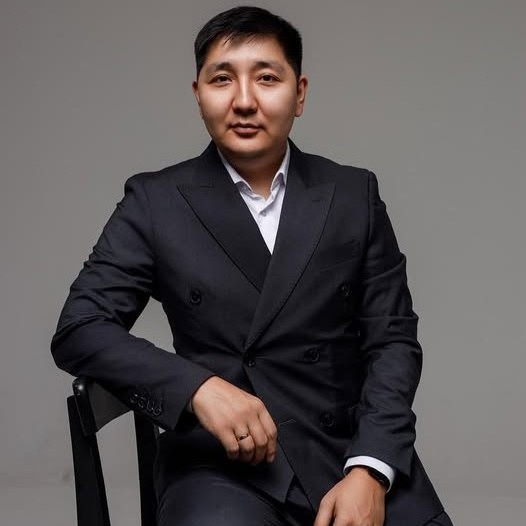
A vibrant part of the stay was exploring Budapest. I had the chance to attend the Formula 1 qualifying sessions. I also spent a lot of time studying Budapest’s architecture and historical environment. The Fisherman’s Bastion was particularly memorable, along with the city’s blend of historic buildings, monumental architecture, and modern urban infrastructure. I got around by bicycle, used river transport and ferries, walked extensively, visited local markets, and explored the city’s food culture. This allowed me to experience the city from various perspectives, and this experience is inseparable from the internship itself.
Curriculum-KAG: What’s next?
Everything developed during my internship in Hungary will be directly applied in practice. At the Academy of Public Administration, the outcomes of the internship will be integrated into the curricula for civil servants. Thus, a single internship creates a multiplier effect, transforming the international research experience gained by one participant into new competencies for a much larger audience. Curriculum-KAG has the potential for broader adoption by HEIs across Kazakhstan. There are plans to make the project accessible to universities nationwide.
Advice for future winners
Before applying for a grant, you should clearly define your research objective. This will help you win the competition and arrive at your internship fully prepared. Determine the expected outcome of your internship in advance – whether it will be a prototype, a scientific paper, a dataset, a methodology, or another product that will remain after the internship is completed. From the very beginning of your internship, document everything for future publication: code versions, experiments, intermediate results, materials, and photos. Do not postpone writing your scientific paper until the end of the internship – it is much better to draft it in parallel with your research.
Even before applying for the competition, link the expected results of the internship with your current and future professional activities. The knowledge gained should continue to work for you after your return to Kazakhstan. View the grant not merely as funding for a trip abroad, but as an investment in an outcome that should live on long after your return.
 Where I am now and my future plans
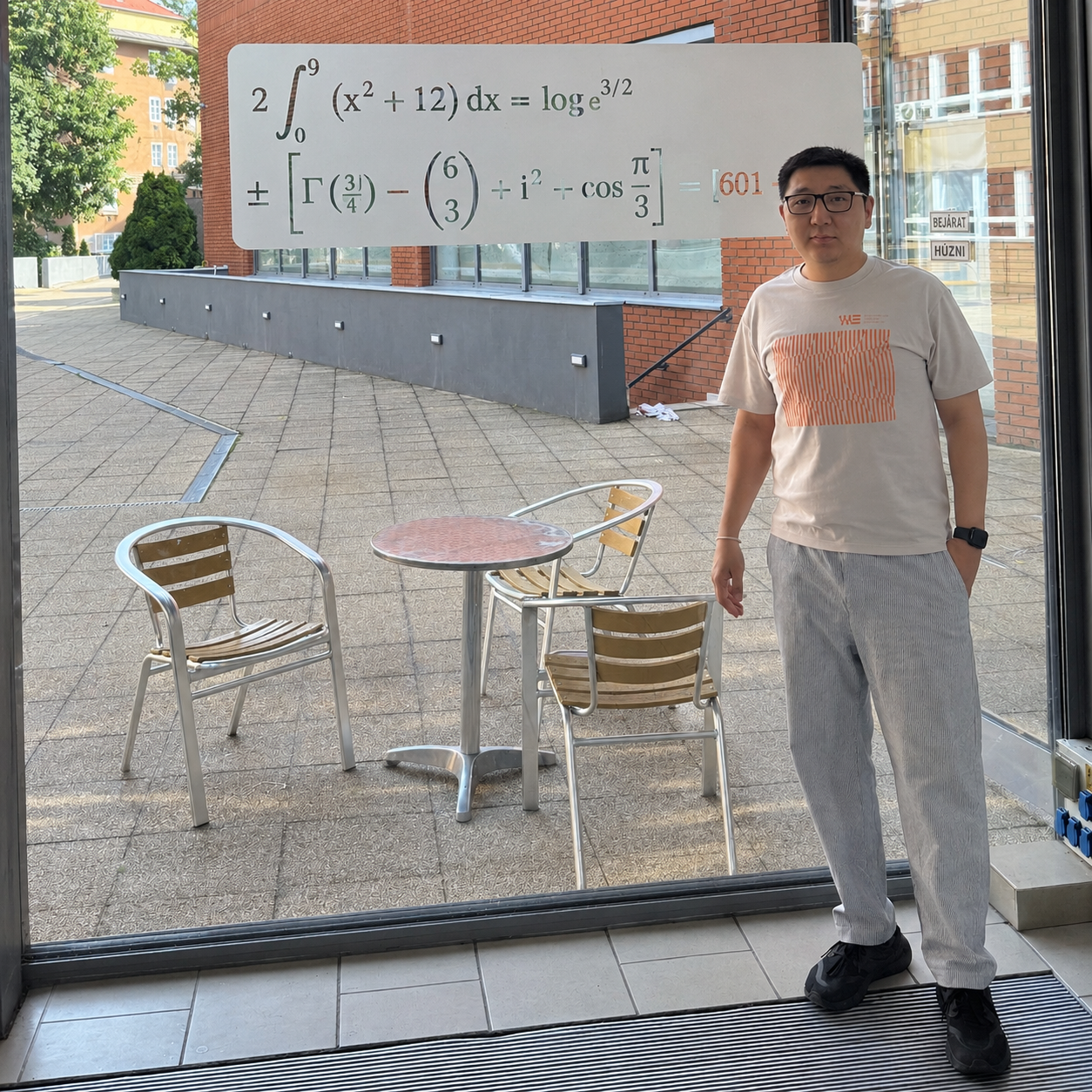
Today, I serve as the Director of the Institute of Digitalization and Innovation at the Academy of Public Administration under the President. My goal is for the Academy to become not just a place where digital transformation is discussed, but a platform where it is put into practice. In the coming years, we will develop the Digital Lab, a laboratory for solving real-world challenges faced by government agencies, and GovHub, a platform for developing and approbation of the GovTech solutions in collaboration with the government, researchers, and technology partners. The experience gained during my internship at Óbuda University will be of particular value.
What about relaxation?
I like creating things – ideas, projects, and products that can bring real value. One of them is GEON, a startup we are developing as an intelligent HR system. For me, it is simultaneously work, a passion, and an opportunity to try something new. However, when I want to switch off, I enjoy playing football – on the pitch, you quickly forget about work tasks and focus entirely on the game. My most peaceful and favorite way to relax is walking in the park with my family, when there is no need to rush, and we can just spend time together. I believe it is precisely this combination of creating things, sports, and time with loved ones that helps me maintain the perfect balance.
6.10.26, Stories
Seen by: 117