


How Yessenov Foundation Grants Help Young Researchers from Kazakhstan
Amina Shaiqym // Mussa Aliyev // Research internships in world laboratories
 More than 60 young Kazakhstanis have already completed research internships in the world’s leading laboratories through the Shakhmardan Yessenov Foundation’s grants. Right now, you also have the opportunity to apply – applications are currently open. University lecturer Amina Shaiqym and soon-to-be university graduate Mussa Aliyev have already gained this experience. How did it impact them?
Senior lecturer at Suleyman Demirel University, Amina Shaiqym, who holds a master’s degree in Computer Science, helps students master machine learning as well as scientific research methods and technologies. Having won the Yessenov Foundation competition, she completed a research internship at the University of Pennsylvania under the guidance of a renowned professor.
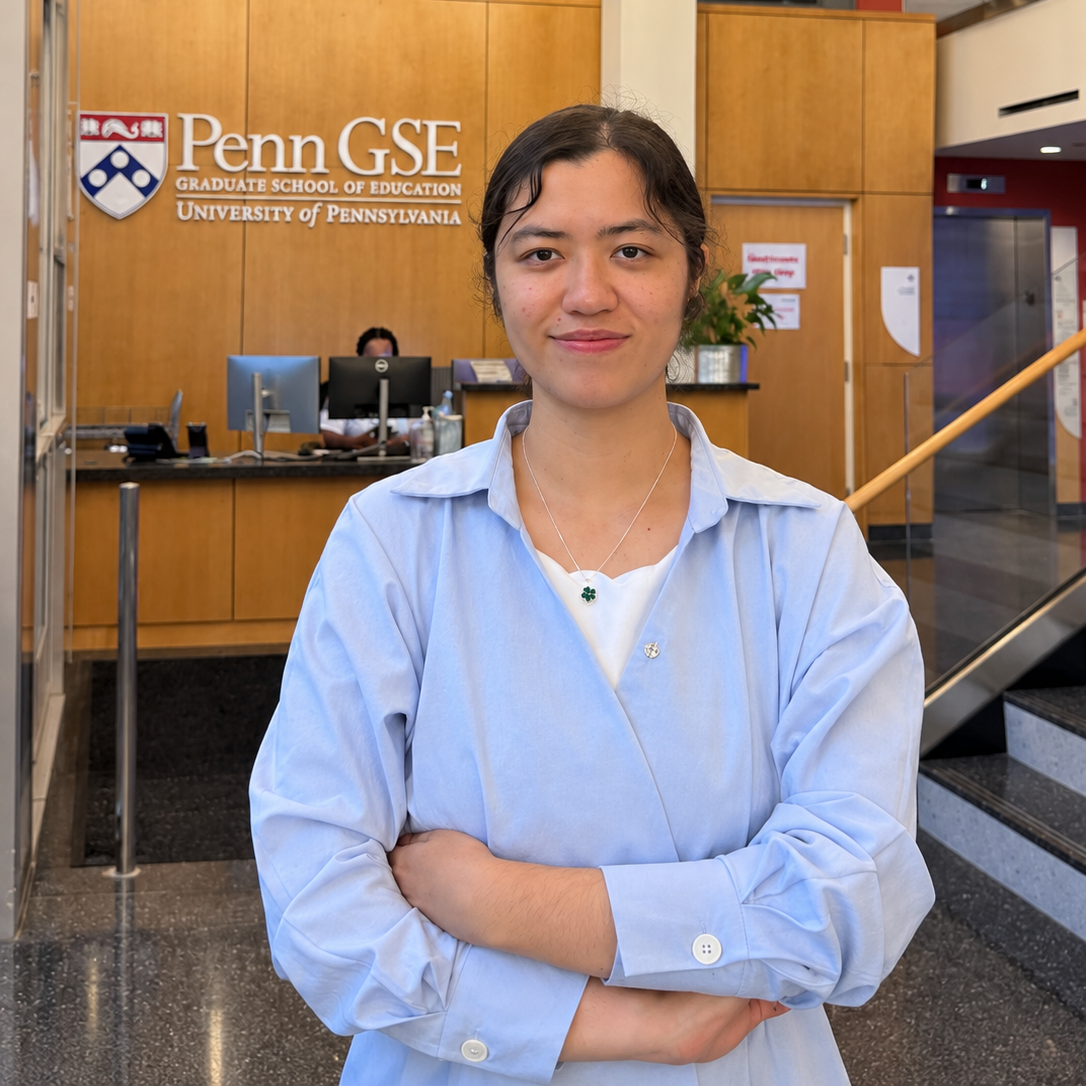 Why Computer Science?
When computers and smartphones became a part of everyday life, I was the one in my family who most often took care of setting them up. At school, I was introduced to programming, and I enjoyed solving mathematical and logical problems.
The Yessenov Foundation Competition
I learned about it just a couple of days before the deadline, gathered the required documents, and submitted my application. Preparing for the competition helped me clearly articulate why this internship was so important to me and what I wanted to achieve.
Why I won
I believe my motivation letter and CV played a key role. I spent a lot of time preparing for the competition, reading interviews with previous winners and studying their advice. Although I already had research experience and a published paper, I wanted to gain international experience and prepare for applying to a PhD program.
Tips
To win the competition, you only need three key things.
1. A strong motivation letter and a strong CV.
2. Familiarity with the Foundation’s activities and the stories of its awardees. Read their interviews on the Foundation’s website.
3. A clearly defined motivation. Even if you have doubts, do not be afraid to set ambitious goals.
And if you have already won, and the search for a laboratory and visa-related issues are behind you, focus on finding housing. Always have a backup option. It is better to schedule your internship during the academic term, as this allows you to attend classes.
Why this particular university
I wasn’t choosing the university itself – the University of Pennsylvania – but rather the professor and the research group. I wrote to more than 50 different professors, but the projects in this specific laboratory interested me the most. From Professor Maciej Pankiewicz’s posts on LinkedIn, I could immediately picture the team environment and wanted to become a part of it.
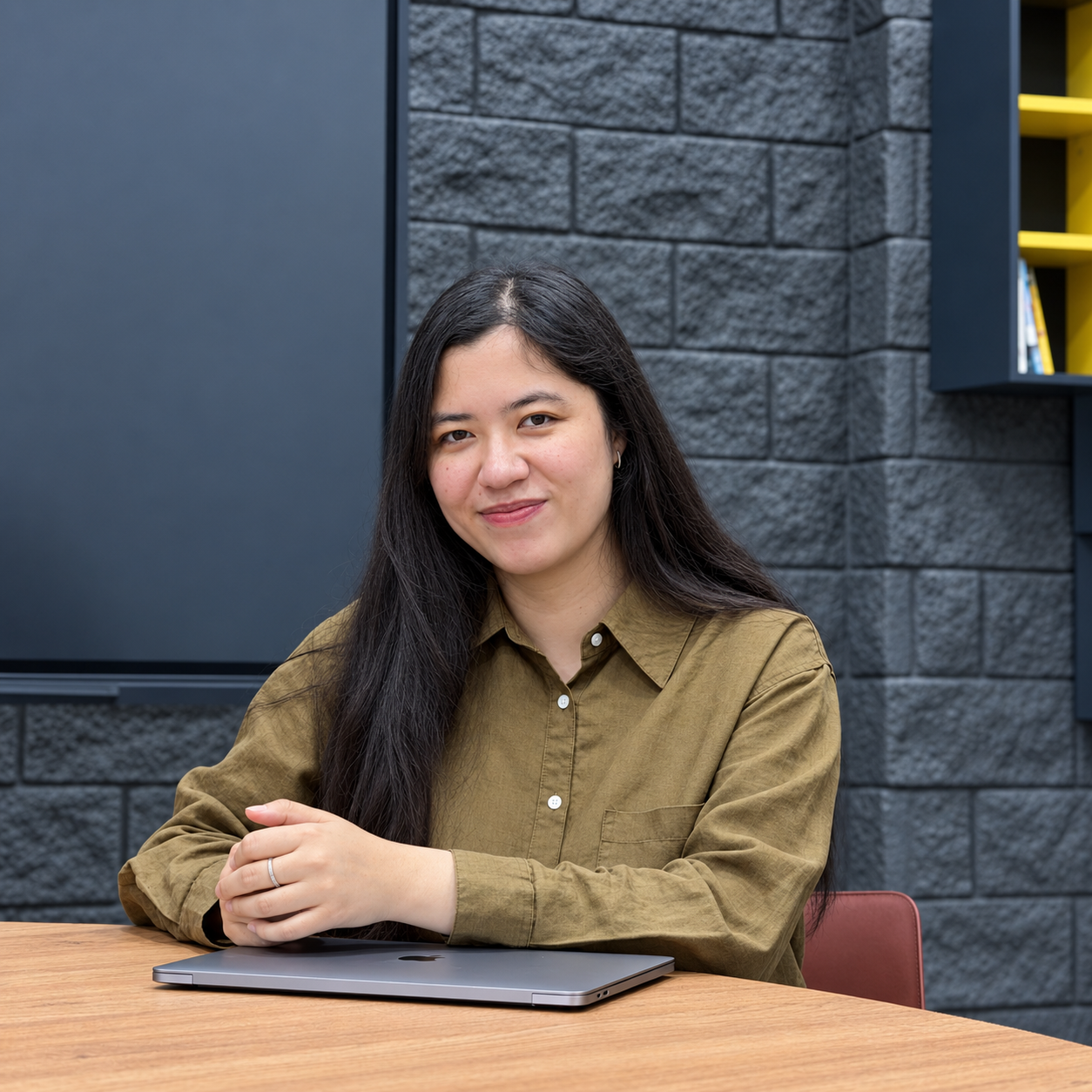 How the internship went
The atmosphere in the laboratory turned out to be just like that: open and friendly. The team is highly focused on research. I was really impressed by their pace of work, cohesion, clear division of tasks, and weekly meetings. The researchers publish 10-20 papers a year! And, of course, I was fascinated by the depth of knowledge demonstrated by my supervisor, Dr. Pankiewicz, and his colleagues at the Penn Center for Learning Analytics. Everyone in the team is constantly reading and discussing new research papers. Every working meeting begins with casual small talk. During these conversations, colleagues support each other and share personal stories, including some that are not always happy. At the same time, the discipline is top-notch.
What I worked on
My project focuses on using the capabilities of large language models to monitor the behavior and emotional state of students on programming learning platforms. The latter is done through keystroke dynamics and behavioral data. The ultimate goal is to introduce interventions if a student starts losing enthusiasm.
What I achieved
During the internship, I tested more than 14 model versions to classify students’ emotional states. I independently conducted a vast number of experiments, analyzed the results, resolved technical issues, and validated the models. Currently, I am continuing to analyze the data and work on a research paper, which is expected to be published in the summer of 2027. Beyond that, based on the data collected during the internship, I designed a study framework for my own university. It has already been launched this semester at SDU.
What’s next
I am 27, and I currently teach two academic courses. I plan to continue the research with the University of Pennsylvania team remotely, and complete the experiment launched at SDU. In parallel, I am preparing to apply for a PhD program. I want to advance my career in EdTech and learning design.
How I rest
I try to spend weekends with my family and recharge. My son is two years old. He loves playing soccer, and I enjoy playing with him. We often go for walks, visit parks, and explore new places together – for me, it’s a great way to slow down and relax.
Apply for a Research Internship
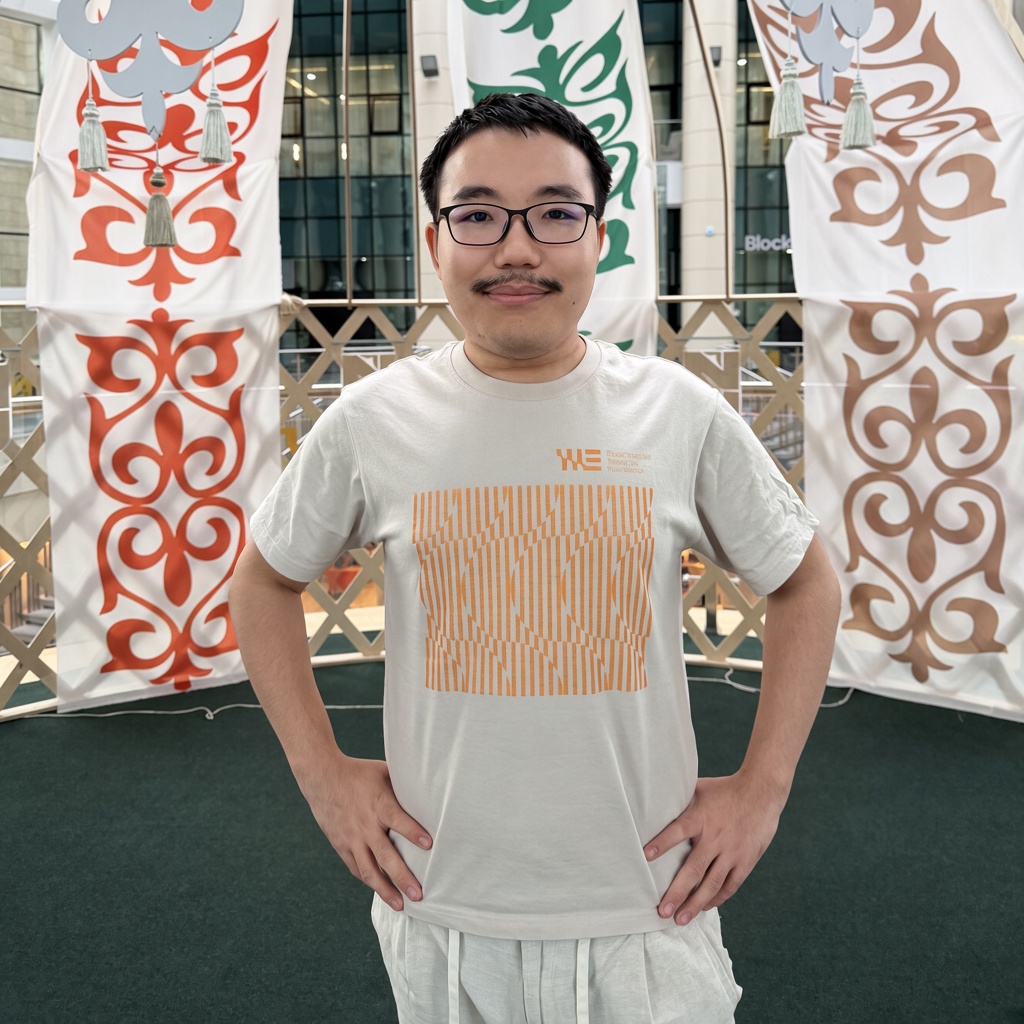 Mussa Aliyev, 20, is a native of Uralsk. He is completing his bachelor’s degree at Nazarbayev University, majoring in Mechanical and Aerospace Engineering. However, the core of his interests lies in robotics.
Choosing a major
I have always been drawn to creating tangible mechanisms, so mechanical engineering is a fairly obvious choice. It provides the fundamental knowledge needed to design robots from scratch.
The Yessenov Foundation Competition
I learned about the Program from a colleague in a neighboring laboratory. Daniil Filimonov has already completed an internship at a university in Switzerland thanks to a grant from your Foundation. I prepared seriously for the application process and put together a portfolio of my projects. But the most challenging part was writing the motivation letter and explaining why I needed international experience. The finals were particularly interesting, as several candidates worked as a team to solve a given task.
Why I won
Thorough preparation, genuine passion, and a well-defined plan helped me successfully pass the competition. My experience in developing complex mechanisms and leading an engineering team played a key role. I was able to convince the Expert Council that this internship was truly essential for me.
To successfully complete an internship, you need to…
…change your trajectory. If you are given a task that isn’t quite the right fit, propose an alternative and demonstrate your expertise. Use the Feynman Technique: explain complex concepts in a clear and simple way. Be the first to arrive at the laboratory and the last to leave. Hard work helps solve even the most challenging tasks.
Why Korea?
I considered many countries, from Canada and Australia to China and France. I applied to about 40 laboratories, and only two of them accepted me. I chose the Motion Control Lab at the Daegu Gyeongbuk Institute of Science and Technology in South Korea. It specializes in improving robotic arm performance by refining control algorithms, which is exactly my field of research.
How the internship went
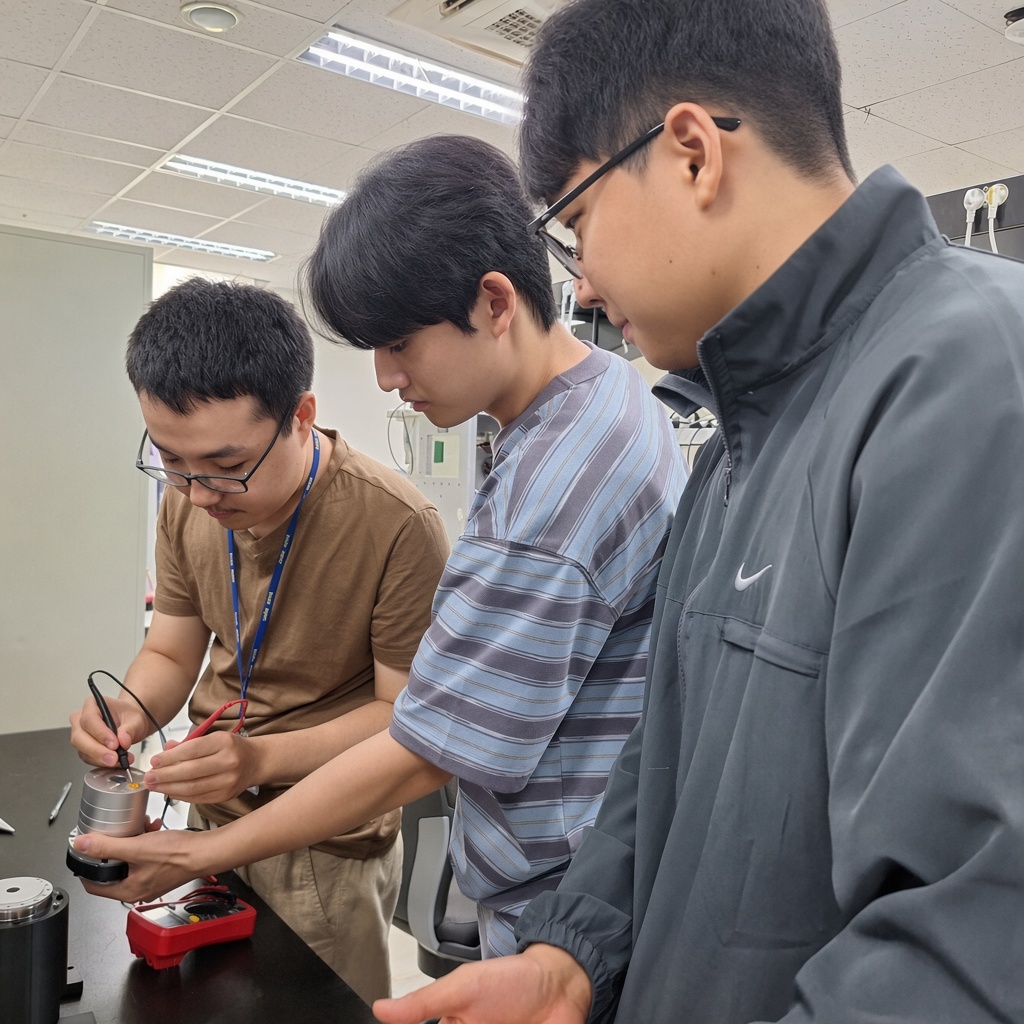
My research supervisor was Professor Sehoon Oh. I chose to join the group focusing on robotic arms. We held regular meetings where we presented our progress. The university also held weekly research seminars where master’s and PhD students presented their projects, and I made sure not to miss them.
The standards were high, but the team of researchers and interns from all over the world was close-knit and hardworking. South Korea impressed me with its work ethic: working overtime is the norm, and there is a strong sense of mutual respect and a willingness to help between senior researchers and interns.
The outcome
Initially, I was assigned a project on actuator characterization and transmission error analysis. However, I persuaded my supervisor to transform the task into a project on developing robotic systems, as that was the precise field I wanted to focus on. Consequently, I built a 3-DOF shoulder module for a 7-DOF robotic manipulator. The final design turned out to be 14% lighter and nearly twice as strong, and it is easy to assemble and repair compared to the previous model. I built a prototype of the module and presented it to my colleagues. The publication of a research paper is scheduled for 2027.
What it’s for
In today’s world, these lightweight, precise, and agile robotic arms replace humans in hazardous industrial environments, assist in surgical procedures, and participate in search and rescue missions.
 What Korea showed me
The internship was sponsored by the Yessenov Foundation, but the university offered free dormitory housing and even a stipend. I spent the saved grant funds on shopping and travelling. I explored the entirety of Daegu and Seoul, where I bought clothes and gifts for home, visited Busan, took a ferry to Ulleungdo Island in the Sea of Japan, and traveled to the mountain villages of Yeongyang County, where you can see the stars perfectly.
What’s next
I am finishing my bachelor’s degree. Moving forward, I want to continue developing robotic systems for industrial automation. Currently, I am preparing my graduation project, which focuses on developing a lightweight aerial vehicle for cargo transportation. In parallel, I am applying to master’s programs at leading universities across Europe and Asia.
And in my free time…
Right now, I am working on a project to design congressional districts for US elections. I am a big fan of indie animation and an active player in the Ten Words of Wisdom online community. From time to time, I enjoy soldering radio circuit boards and assembling DIY kits such as radio receivers, lamps, and game consoles.
20.10.26, Stories
Seen by: 10